
Discovery to Launch: The Modern Product Engineering Model
Speed is a feature, but speed without structure yields technical debt. At Devora Tech Studio, we implement a highly structured, telemetry-driven delivery lifecycle designed to ship robust digital products quickly.
1. Scoping & Design Systems First
Before typing a single line of application code, we focus heavily on alignment. We begin with:
- Figma UI/UX Prototypes: Creating complete visual layouts, user flows, and interaction rules. This allows stakeholders to test layout workflows before development.
- Design Token Centralization: Defining color palettes, font weights, and spacing properties as unified code parameters to guarantee visual consistency.
2. The MVP Scoping Strategy: Build to Learn
The biggest risk for any new digital product is building feature sets that clients don't use. Our engineering methodology prioritizes a "Minimum Viable Product" focus. We isolate the single core value proposition, implement it with premium fidelity, and launch it to capture real customer telemetry.
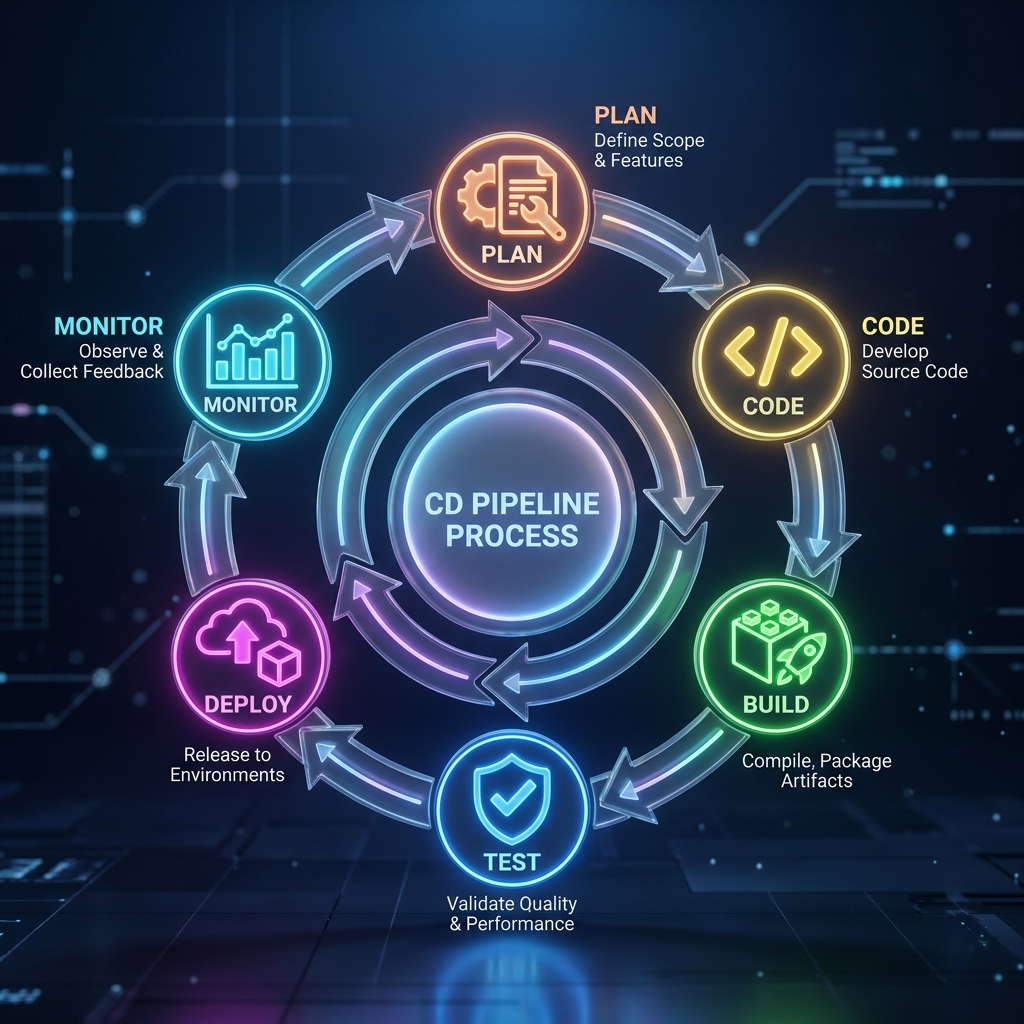
3. Automated Deployment Pipelines (CI/CD)
We configure CI/CD pipelines (via GitHub Actions) that run checks on every pull request. This includes:
- Running TypeScript linting rules and format checks.
- Executing unit and endpoint tests automatically.
- Deploying code changes to isolated, shareable staging environments for manual testing.
- Pulsing staging servers to production upon final branch approval.
4. Telemetry Tags & Analytics
A product launch is the beginning of learning. We pre-integrate analytical trackers and error reporting tools (such as Sentry, PostHog, or Mixpanel) into our deployment builds. This tracks:
- User funnel conversions and button interactions.
- Browser-side exceptions and database performance bottlenecks.
- Core web vitals, mapping response latency globally.
Adopting Our Model
By combining Figma alignment, MVP scoping, automated pipelines, and telemetry analysis, we build software products that continuously evolve based on real-world usage.